Canada’s Instrumentation Leader Since 1946.

Canada’s Instrumentation Leader Since 1946.
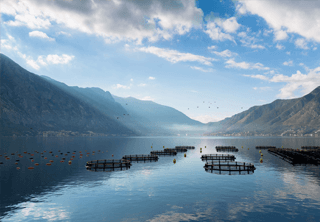
 Hoskin Environmental
Sampling and monitoring instruments for air, water, weather and soil for the environmental, agricultural, mining and research markets.
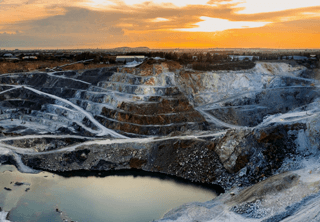
 Hoskin Geotechnical
Materials and Product testing for soil, asphalt, petroleum, concrete, mining, cement, and research industries.

 Hoskin Instrumentation
Sensors, transducers and instrumentation for industry, manufacturing, research and development and factory automation.
December 2025


From the Arctic ice floes of the Beaufort Sea to the peaks of Peru’s Nevado Ausangate at 20,830 feet, Hoskin Scientific has designed and deployed integrated environmental monitoring systems in some of Earth’s most extreme conditions. With over 75 years of experience serving Canadian research institutions, mining operations, hydroelectric facilities, and government agencies, we’re recognized as a leading monitoring system integrator Canada trusts for complex, mission-critical deployments. Here’s how we engineer custom monitoring systems that perform where standard equipment fails.
Unlike off-the-shelf equipment designed for benign laboratory conditions, integrated monitoring systems combine multiple sensors, data acquisition hardware, power management, telemetry communications, and rugged enclosures into unified solutions engineered for specific project requirements and environmental conditions. These systems don’t just measure parameters—they autonomously collect, transmit, store, and alert stakeholders about environmental conditions 24/7/365, often from locations where human access is dangerous, expensive, or impossible.
Our integrated systems experience spans climate research stations monitoring glacier behavior in the Yukon’s St. Elias Mountains, satellite-connected mine monitoring networks in remote Northwest Territories, and 64-station hydrometric networks managing Ontario Power Generation’s Ottawa, Madawaska, and St. Lawrence River hydroelectric operations. Each system represents a custom engineering solution addressing unique technical challenges, regulatory requirements, and operational constraints.
Project Assessment and Requirements Definition: Every integrated system begins with comprehensive consultation between our applications engineers and project stakeholders. We assess monitoring parameters required (temperature, water quality, air quality, precipitation, soil moisture, structural strain, water levels, etc.), site accessibility and environmental extremes, power availability or solar/wind generation potential, communication infrastructure (cellular coverage, satellite requirements, radio line-of-sight), data frequency and transmission requirements, regulatory compliance needs, and project timeline and budget constraints.
For the Norwegian Polar Institute’s Tor Research Station in Antarctica’s Dronning Maud Land, this assessment phase identified the need for year-round operation through four months of polar darkness, temperatures reaching -40°C, hurricane-force katabatic winds, and zero cellular infrastructure. These requirements drove every subsequent design decision.
System Design and Component Selection: Our engineering team selects sensors, data loggers, telemetry modules, power systems, and enclosures based on project-specific requirements. We prioritize proven reliability over cutting-edge features—when your monitoring station operates 5,000 kilometers from the nearest service technician, component failure isn’t an option.
The Cantung Tungsten Mine monitoring systems designed with Arcadis Canada and Crown-Indigenous Relations Northern Affairs Canada exemplify this approach. Multiple stations monitor local climate, surface water, and groundwater conditions across a remote mine site requiring long-term environmental oversight. We specified industrial-grade sensors rated to -40°C, satellite telemetry (no cellular coverage exists), solar panels with battery banks sized for extended cloudy periods, and lightning protection given the site’s elevation and exposure.
Power System Engineering: Remote data acquisition systems require autonomous power for months or years. Our power system designs account for solar irradiance at the deployment latitude, seasonal variations (particularly critical in Arctic and Antarctic deployments), sensor and telemetry power consumption profiles, battery capacity and low-temperature performance, and backup power redundancy.
The Beaufort Sea ice floe monitoring systems present extreme power challenges. These stations drift with Arctic pack ice, experiencing 24-hour darkness for months during polar winter. Our solution combined high-efficiency solar panels, oversized battery banks with cold-weather lithium technology, ultra-low-power data loggers that sleep between measurements, and satellite telemetry programmed for optimal transmission schedules minimizing power consumption while ensuring critical data reaches researchers.
Telemetry and Communication Architecture: Real-time data access from remote locations requires robust communication systems. We design telemetry solutions using cellular networks where coverage exists (most cost-effective for accessible sites), Iridium or Globalstar satellite networks for true global coverage, GOES satellite for North American weather and hydrological applications, radio networks for line-of-sight communication clusters, and hybrid systems combining local radio networks with satellite or cellular gateways.
Ontario Power Generation’s 64-station hydrometric network demonstrates large-scale telemetry architecture. Each monitoring location collects water level, flow rate, and meteorological data, transmitting via cellular or radio to regional operations centers. This real-time data enables operators to optimize hydroelectric generation, manage reservoir levels, ensure dam safety compliance, and respond to flood conditions—critical capabilities supporting millions of Ontario residents.
Mining operations face intense environmental scrutiny from regulators and communities. Our mining environmental monitoring systems integrate air quality, water quality, meteorological, and groundwater monitoring into coordinated networks providing comprehensive environmental oversight.
The Cantung Tungsten Mine represents our mining monitoring expertise perfectly. This remote Northwest Territories site requires continuous environmental data demonstrating compliance with federal and territorial regulations. Our custom system monitors local climate patterns, surface water conditions, and groundwater levels across multiple stations, transmitting satellite data to project managers and regulatory agencies. This integrated approach ensures compliance while informing remediation planning for the long-term mine site closure and restoration process.
For operations across British Columbia, we’ve designed mining environmental monitoring systems for exploration camps, active mining operations, and closure sites. Our remote monitoring systems BC address the province’s challenging terrain, variable cellular coverage, and demanding mining regulations. Whether in the interior mountains, coastal regions, or northern wilderness, we engineer solutions surviving extreme weather, maintaining power autonomy, and delivering critical environmental data when operations depend on compliance documentation.
When National Geographic explorers Baker Perry and Tom Matthews planned the 2022 Amazon Perpetual Planet Expedition, they needed a climate monitoring station capable of operating at 20,830 feet (6,349 meters) in Peru’s tropical Andes—becoming the highest weather station in the tropical Andes. Hoskin Scientific engineered a complete solution addressing extreme altitude challenges: oxygen-thin atmosphere affecting solar panel and battery performance, temperature extremes from intense daytime solar radiation to sub-zero nights, hurricane-force winds common at high elevation, logistics of carrying equipment to 20,830 feet elevation, and satellite communication from a location with no terrestrial infrastructure.
Our system integrated research-grade temperature, humidity, wind speed, wind direction, solar radiation, and barometric pressure sensors, a ruggedized data logger with extended-temperature operating range, satellite telemetry transmitting data every six hours, solar panels optimized for high-altitude UV intensity, and cold-weather lithium battery systems in thermally-insulated enclosures. The station successfully deployed and continues collecting critical climate data helping scientists understand tropical Andes glacier behavior and climate processes at extreme elevations.
Water resource management requires accurate, reliable flow and level data. Our hydrometric monitoring systems combine precision sensors with robust telemetry, serving hydroelectric operators, flood forecasting agencies, water resource managers, and dam safety authorities. The Ontario Power Generation Eastern Operations network exemplifies large-scale hydrometric integration—64 monitoring locations continuously transmitting data to regional control centers where operators make real-time generation and water management decisions.
These systems measure water level with pressure transducers, radar, or ultrasonic sensors, flow velocity using Doppler instruments, precipitation and meteorological conditions, and structural monitoring for dam safety. Data feeds directly into SCADA systems, providing operators instant visibility into watershed conditions across three major river systems.
Climate change research demands long-term, high-quality meteorological data from remote locations. Our climate monitoring stations support research institutions worldwide, collecting data that advances understanding of glacier behavior, permafrost dynamics, Arctic climate change, and mountain meteorology.
The St. Elias Mountain Range Climate Monitoring Station, designed with the Yukon Geological Society, demonstrates research-grade climate monitoring in harsh mountain environments. This system collects temperature, humidity, wind, precipitation, and solar radiation data from Canada’s highest mountains, contributing to broader understanding of climate change impacts in alpine regions. Satellite telemetry ensures continuous data flow to researchers regardless of seasonal access limitations.
Polar environments present monitoring’s ultimate challenge—temperatures to -60°C, months of darkness, hurricane winds, ice and snow accumulation, zero infrastructure, and wildlife interference. We’ve successfully deployed systems supporting penguin colony research in Antarctica, ice floe dynamics in the Beaufort Sea, and permafrost monitoring across the Canadian Arctic.
The Tor Research Station in Antarctica’s Dronning Maud Land operates year-round supporting Norway’s long-term Antarctic petrel monitoring program. Our climate station withstands Antarctic conditions while providing continuous meteorological data to researchers studying seabird populations and climate interactions. Every component—from sensors to enclosures to power systems—was specified for Antarctic reliability.
75+ Years of Canadian Expertise: Since 1946, we’ve served Canada’s research, industrial, and government sectors with instrumentation solutions. This experience translates into deep understanding of Canadian environments, regulations, and project requirements—from Arctic tundra to Maritime coasts to interior mountains.
Turnkey Solutions: We manage the entire project lifecycle including initial consultation and requirements analysis, system design and engineering, equipment procurement and integration, installation and commissioning, training and documentation, ongoing technical support and calibration, and system maintenance and upgrades.
Proven Performance in Extreme Environments: Our portfolio includes successful deployments in Arctic conditions to -60°C, Antarctic research stations, high-altitude mountain environments above 6,000 meters, remote mine sites, offshore marine platforms, and harsh industrial facilities. When equipment must work the first time and continue operating for years with minimal intervention, experience matters.
Multi-Disciplinary Technical Team: Our integrated systems engineers bring expertise spanning environmental science, electrical and mechanical engineering, data communications and telemetry, power system design, sensor technology, and regulatory compliance. This breadth ensures comprehensive solutions addressing every project dimension.
Canadian Service Network: With locations in Burnaby BC, Oakville Ontario, Montreal Quebec, and Edmonton Alberta, we provide coast-to-coast support including equipment calibration and repair, emergency response and spare equipment, system upgrades and expansion, and technical training.
Our systems incorporate industry-leading manufacturers and technologies including Campbell Scientific data loggers and meteorological sensors, YSI water quality instrumentation, Gill ultrasonic anemometers, Onset HOBO data loggers, Iridium and Globalstar satellite modems, cellular M2M modules, radio telemetry networks, and solar and wind power systems. We maintain manufacturer certifications and factory training, ensuring proper system integration and maximum reliability.
Whether you’re planning climate research in remote mountains, mining environmental monitoring in challenging terrain, hydrometric networks for water management, or any complex monitoring challenge, Hoskin Scientific delivers proven solutions. Our process begins with understanding your unique requirements through detailed consultation. We’ll assess your monitoring needs, environmental conditions, communication infrastructure, power constraints, and regulatory requirements, then design a custom system engineered for long-term reliability and performance.
Contact Hoskin Scientific’s Integrated Systems Team for a project consultation and see how we transform complex monitoring challenges into reliable data systems.


Copyright - 2026 - Hoskin Scientific

